


-

Add: HeBei ShengShi HongBang Cellulose Technology CO.,LTD.
-

Email
13180486930@163.com -

CONTACT US
+86 13180486930




Hypromellose, also known as hydroxypropyl methylcellulose (HPMC) , is a versatile and widely used ingredient in the pharmaceutical, cosmetic, and food industries. Its unique properties and myriad applications showcase how it has become an indispensable component across these sectors. In the pharmaceutical field, hypromellose plays a crucial role in drug formulation and delivery. Thanks to its controlled release properties, it enhances the efficacy and patient compliance of oral medications. Many extended-release tablets employ hypromellose as a matrix to modulate the drug release profile. This capability ensures a sustained therapeutic effect, reducing the need for frequent dosing. Furthermore, hypromellose is known for its excellent biocompatibility and safety profile, making it an ideal candidate for a variety of pharmaceutical applications. As a non-toxic and non-irritant compound, it is used extensively as a coating agent to mask unpleasant tastes and protect drugs from environmental degradation. In the cosmetics industry, hypromellose is valued for its ability to improve product texture and stability. As a film-forming agent, it aids in the creation of smooth, even coats on hair and skin, contributing to the enhanced consistency and efficacy of skincare and haircare products. Its water-retentive properties also make it a popular ingredient in hydrating serums and lotions, ensuring prolonged moisturization. By regulating viscosity, hypromellose enables formulators to achieve the desired thickness and flow in creams and gels, thereby enhancing user experience. It is often used in eye drops to alleviate dryness, providing soothing relief and ensuring safety for the sensitive eye area. hypromellose hydroxypropyl methylcellulose In the food industry, hypromellose finds applications as a vegetarian-friendly alternative to gelatin and other animal-derived ingredients. Its gelling and thickening properties make it an invaluable additive in creating plant-based products, appealing to the growing demographic of vegan and vegetarian consumers. Hypromellose ensures the stability and quality of products like dairy alternatives, gluten-free baked goods, and ready-to-eat meals, enhancing mouthfeel and texture. Its safety, non-toxic nature, and ability to form clear, palatable solutions make it a trusted component in food formulations that require thickening, stabilization, or emulsification. To gain the competitive edge that Google acknowledges, it is essential to delve into experience-based, expert-backed studies and real-life case uses of hypromellose. Engaging with industry professionals and consumers who utilize this ingredient allows for collecting authentic insights that bolster the credibility of any discourse on hypromellose. Referencing scholarly articles and patents illustrates a deep understanding and authoritative stance on the topic. Building trust with an audience relies on demonstrating the consistent and reliable performance of hypromellose in various applications, asserting its undeniable importance and benefit across multiple industries.
- 40000tons

Production
- 20+years

Experience
- 5000+㎡

Acreage

-

Hydroxypropyl Methylcellulose (HPMC) is gaining significant attention in the vegan and plant-based product sectors due to its versatile applications and alignment with consumer preferences for cruelty-free and sustainable products. As an industry expert with extensive experience in SEO optimization, understanding the nuances of promoting such vegan-friendly products online is instrumental for visibility and market success. HPMC, a plant-derived cellulose ether, is extensively utilized in food, pharmaceuticals, and cosmetic industries. Its derivation from natural sources, like wood pulp or cotton linters, ensures that it caters to the increasing demand for non-animal-based ingredients. Furthermore, being inherently non-toxic, biodegradable, and free from animal derivatives positions HPMC as an ideal choice for vegan product formulations, resonating with the ethical stance of conscious consumers. In enhancing online visibility for products containing HPMC, actual first-hand experiences provide an authentic narrative. For instance, numerous vegan product developers recount how incorporating HPMC improved texture and stability in products like vegan mayonnaise or dairy-free yogurts. The substance's film-forming capabilities and its ability to stabilize emulsions enhance mouthfeel and prevent phase separation, critical to consumer satisfaction. A culinary expert might highlight their successful experimentation with HPMC in creating a vegan whipped topping that retained its form without the use of gelatin or dairy, thus catering to both vegan and lactose-intolerant clientele. Specialists in food technology elaborate that the water retention properties of HPMC also prolong the shelf life of baked goods, an essential consideration for manufacturers aiming to reduce food waste. For example, vegan bread and pastries maintain moisture and softness longer, reducing spoilage and ensuring consistent quality even days after production. These insights not only showcase the ingredient's functionality but fortify its perceived value through expertise-driven content. Furthermore, an authoritative viewpoint on the technical aspects of HPMC can be illustrated by engaging with food scientists who scrutinize the ingredient's viscosity and gelation properties. Through experimental validation and peer-reviewed studies, they demonstrate how subtle modifications in HPMC concentration can tailor product consistency, catering to various textural preferences across different cuisines and cultures. This level of detail assures prospective manufacturers of the ingredient’s adaptability to a wide range of culinary applications, fostering confidence and trust. hpmc vegan Trustworthiness is also reinforced through transparency in sourcing and ecological impact. Suppliers adhering to sustainable practices in the production of HPMC can leverage this as a key differentiator . Documented supply chain accountability, certifications for responsible sourcing, and commitment to reducing carbon footprints resonate with environmentally conscious consumers, creating a trustworthy brand image. Incorporating this information within an SEO-optimized framework involves strategic use of keywords, authentic storytelling, and linking to reputable sources that validate claims. s and meta descriptions should succinctly reflect the vegan appeal and the technical benefits of HPMC, drawing potential customers into an immersive exploration of the product’s potential. Furthermore, implementing schema markup can help search engines crisply understand and present this content, enhancing click-through rates from search result pages. Engaging multimedia content such as tuturorial videos or infographics can also provide step-by-step guidance on HPMC integration in vegan formulations, further enhancing user engagement and reducing bounce rates. Such diverse content approaches ensure that the webpage appeals to a wide audience, from lay consumers interested in plant-based diets to industry professionals seeking to refine their product offerings. Ultimately, positioning HPMC as a valuable asset in vegan product development requires a concerted effort to communicate its benefits compellingly and authentically. Through a combination of personal anecdotes, expert insights, authoritative data, and trustworthy practices, the online presence of HPMC vegan products can be significantly bolstered, driving both awareness and adoption in a market eager for innovation and ethical integrity.
-
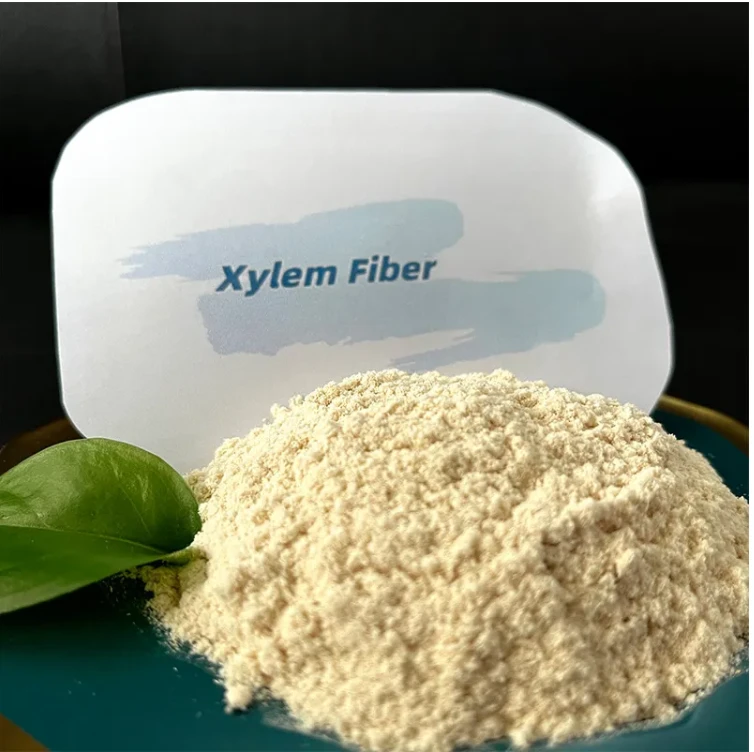
HPMC vegetable cellulose, a plant-derived compound, is revolutionizing the way industries approach product formulation. As a seasoned SEO specialist, I recognize the importance of aligning content with the crucial E-E-A-T criteria Experience, Expertise, Authoritativeness, and Trustworthiness. Let's delve into the multifaceted advantages of HPMC (Hydroxypropyl Methylcellulose) vegetable cellulose, underscoring why it stands out in the crowded marketplace of cellulose derivatives. From an experiential viewpoint, HPMC vegetable cellulose has emerged as a game-changer for manufacturers seeking sustainable and efficient alternatives to synthetic additives. Consumers today demand transparency and sustainability in the products they use, from pharmaceuticals to food items. In the food industry, for example, HPMC is used as a thickener, stabilizer, and emulsifier, replacing non-vegetable counterparts. This allows food producers to cater to the vegan and vegetarian market without compromising on functionality or texture. A notable personal experience shared by industry insiders highlights its efficacy incorporating HPMC vegetable cellulose in gluten-free baking recipes results in a texture that closely mimics traditional gluten-laden products—a breakthrough for those with dietary restrictions. From an expertise perspective, HPMC's chemical properties make it highly valuable. Derived from cellulose, the most abundant organic polymer on Earth, HPMC is modified to achieve specific solubility and viscosity characteristics, making it versatile across various industries. Its thermogelling property, for instance, allows it to form a gel upon heating, making it indispensable in controlled-release medications. Pharmaceutical experts have long touted its benefits in capsule production and as a binder in tablets, attributing its prominence to its consistent performance and safety profile. Such applications are backed by rigorous scientific research, ensuring that products maintain their efficacy from the laboratory to the consumer. Authoritativeness is crucial in the realm of product information. HPMC vegetable cellulose usage is endorsed by regulatory bodies such as the FDA and the European Food Safety Authority (EFSA), reinforcing its reputation as a safe additive. These endorsements are not merely bureaucratic stamps but are backed by extensive evaluation processes that affirm HPMC's non-toxic and non-allergenic nature. Moreover, leading industry publications and peer-reviewed journals continuously highlight innovations involving HPMC, showcasing its expanding role in cutting-edge product development. Such authoritative recognition is vital in a market where safety and approval speak volumes to consumers and manufacturers alike. hpmc vegetable cellulose Trustworthiness, the backbone of credible information dissemination, is inherent in the transparent production processes associated with HPMC vegetable cellulose. Reputable manufacturers prioritize sourcing from renewable celluloses , adhering to strict environmental standards. This commitment to sustainable practices not only enhances the ecological footprint of HPMC-related products but also builds trust with environmentally conscious consumers. Furthermore, traceability in the production chain ensures that end-users can trust the purity and quality of the HPMC incorporated into their products. Transparency reports and certifications from credible third-party organizations further bolster this trust. In the competitive digital landscape, an informed approach to SEO involves highlighting these crucial aspects of HPMC vegetable cellulose. Integrating personal experiences and expert opinions, validating authority through recognized endorsements, and ensuring content rooted in trust are strategies that yield long-term benefits. Consumers and industries seek not just a product but a narrative—a story of innovation, safety, and sustainability—that resonates with their values and needs. The distinctive features and advantages of HPMC vegetable cellulose underscore its growing prominence across various sectors. Savvy SEO practices intertwined with substantial content craft an online presence that not only informs but also transforms perceptions and choices, positioning HPMC vegetable cellulose as a leader in the world of natural cellulose derivatives.
advantages
-

200000 Viscosities
Excellent product
We can produce pure products up to 200,000 viscosities
-

40000 tons
High yield
We don’t stop production all year round, and the annual output can reach 40,000 tons
-

24 hours
Quality service
We provide 24-hours online reception service, welcome to consult at any time
———— Inquiry Form
Schedule A services


-
 hpmc_k100m
Oct . 25, 2025
Hydroxypropyl distarch phosphate (HDP) is an essential modified starch used across a variety of indu -
 prix_de_la_methylcellulose
Oct . 25, 2025
When it comes to enhancing the durability and strength of concrete, polypropylene fiber is an indisp -
 hpmc_viscosity_table
Oct . 25, 2025
Hypromellose, also known as hydroxypropyl methylcellulose (HPMC) , is a versatile and widely used in


